Introduction: Natural rubber comes in two forms: solid rubber and concentrated latex. International futures markets quote only solid rubber, while concentrated latex, as a spot product, has long maintained a dynamic price spread (the "basis") of RMB 4,000–6,000 per ton against solid rubber. When the spread is temporarily widened, even if international solid rubber futures fall, concentrated latex spot prices often only pull back slightly or even hold steady—this is "futures-spot divergence." Understanding the spread is essential to avoid misjudging procurement timing.
In the global natural rubber industry chain, raw material forms and pricing systems are not single-dimensional. An accurate understanding of the price transmission relationships between different product forms is an important foundation for downstream manufacturing enterprises to formulate procurement strategies and manage cost risks.
Rubber in international markets is mainly divided into two forms. The first is solid rubber, which is in solid block form and is the benchmark trading instrument on international futures markets (such as TOCOM and SICOM); the second is concentrated latex, which is in liquid milky form and is mainly used for deep-processed products such as latex thread.

As a standardized commodity, solid rubber's price is mainly affected by factors such as the global macroeconomy, demand for tires and industrial products, output in main producing areas, port inventories, and capital sentiment in futures markets, with high price transparency and rapid transmission of fluctuations. Concentrated latex, as a liquid deep-processing raw material, is affected not only by the overall supply and demand of natural rubber but also constrained by multiple factors such as latex allocation ratios, concentration capacity, ammonia preservation costs, transportation conditions, operating rates of downstream dipping product manufacturers, and order structures.
The core logic lies in the fluctuation of the "basis." International futures quotes are typically anchored to solid rubber, while concentrated latex, as a spot product, has a dynamic price spread against solid rubber, usually between RMB 4,000 and 6,000 per ton.
When the spread between solid rubber and concentrated latex is at the high end of the range, even if international solid rubber futures prices fall, concentrated latex spot prices may remain relatively stable due to the natural narrowing of the spread; conversely, when the spread is at a low level, the sensitivity of concentrated latex prices to futures movements will increase accordingly.
Current market phenomenon: futures-spot divergence
Recently, international solid rubber futures prices have declined, but concentrated latex spot prices have not adjusted significantly in tandem. This phenomenon essentially reflects a phased mismatch in futures-spot price transmission: the futures side reflects changes in solid rubber and macroeconomic expectations, while the spot side more reflects the supply-demand structure of concentrated latex itself and the pace of basis repair.
For latex thread and dipping product enterprises, procurement decisions should not be based solely on the one-sided trend of solid rubber futures, but should comprehensively evaluate concentrated latex spot prices, basis levels, order delivery cycles, inventory structures, and changes in downstream demand. By establishing a more complete raw material price observation framework, enterprises can improve procurement certainty in a volatile market and reduce operational risks caused by irrational chasing of rises and selling at falls.
We will continue to monitor changes in the natural rubber and concentrated latex markets and, through professional and transparent information communication, assist customers in more accurately understanding price logic and rationally arranging production and procurement plans.
About Hainan Taixiang Industrial Co., Ltd.
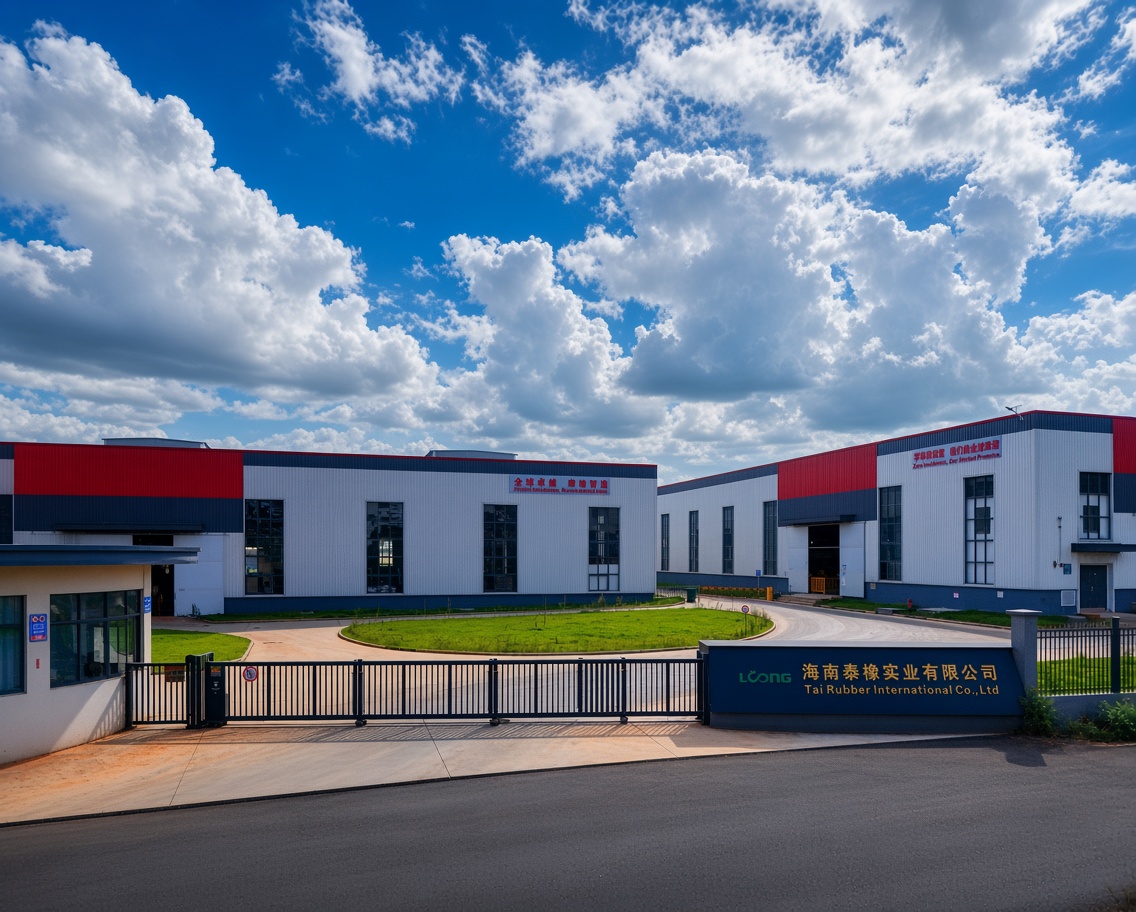
Hainan Taixiang Industrial Co., Ltd. is a modern Chinese latex thread manufacturing factory integrating R&D, production, and sales, relying on the policy dividends of the free trade port. As a professional elastic latex thread factory, the company is based in China and looks to the world, committed to producing high-quality materials that meet international environmental and quality standards.
The company's core products include Vulcanized Latex Thread and Talc Coated Latex Thread. As an internationally competitive Natural Latex Rubber Thread Manufacturer in China, the company actively responds to the "dual circulation" strategy. As a main drafting unit, it has deeply participated in the formulation of industry standards such as the national standard "General-Purpose Rubber Thread" (identical to ISO 20058:2017) and HG/T 2889-2026 "Latex Thread," boosting industry standardization and upgrading with core technical strength. With exquisite craftsmanship and a strict quality system, its products have obtained OEKO-TEX STANDARD 100 certification and are widely used in fields such as high-end apparel, medical health, and household elastic materials.
At the same time, Taixiang Industrial fully leverages the Hainan Free Trade Port's full industrial chain advantages of "imported bonded raw materials—deep processing on the island—domestic sales exempt from tariffs" to provide customers with cost-effective elastic material solutions from a global perspective.